Stress, Eating and Everyday Habits: Coping Without Making Things Harder
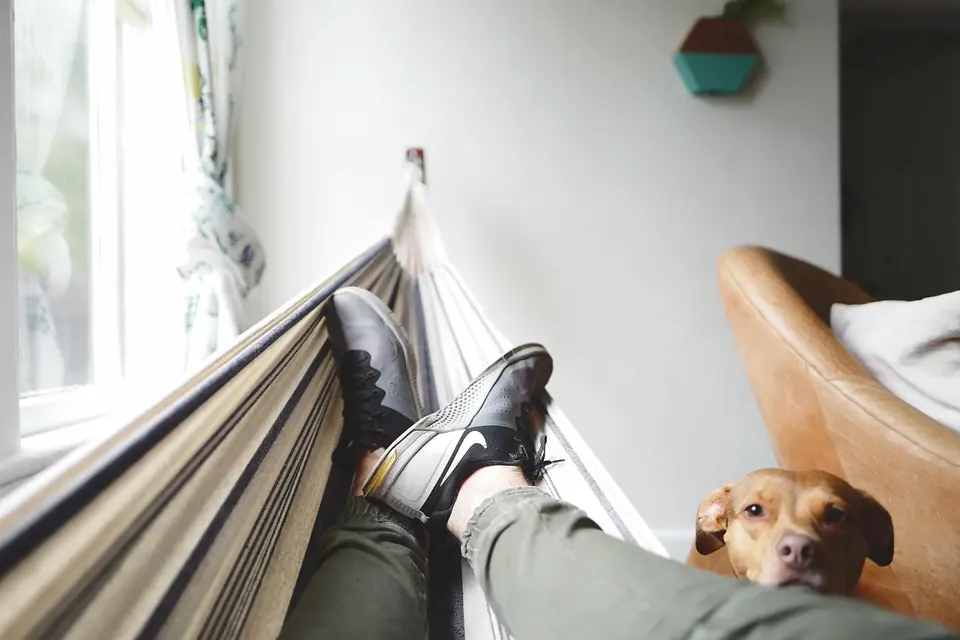
Everyone feels stressed at times: before an exam or interview, with a heavy workload, money worries, a move or a conflict at home. A little stress can even help us rise to a challenge. But when it builds up, it tends to spill into the habits that keep us well, such as sleep, meals and exercise, often just when they would help most. This guide draws on advice from the World Health Organization, the NHS and the US National Institute of Mental Health.
What stress does to the body and mind
The WHO defines stress as a state of worry or mental tension caused by a difficult situation, and a natural human response that prompts us to address challenges and threats. It says a little stress is good and can help us perform daily activities, while too much can cause physical and mental health problems.
The signs it lists will be familiar: difficulty relaxing, anxiety and irritability, trouble concentrating, headaches or other body pains, an upset stomach and trouble sleeping. It adds that we may lose our appetite or eat more than usual, and that chronic stress can worsen existing health problems and increase the use of alcohol, tobacco and other substances.
The National Institute of Mental Health (NIMH) separates stress, generally a response to an external cause that goes away once the situation is resolved, from anxiety, a persistent feeling of apprehension or dread that can continue even when there is no immediate threat. Both can cause worry, tension, headaches, high blood pressure and loss of sleep.
Stress, food and weight
The WHO's description captures how differently people react: some find food unappealing when stressed, others turn to it for comfort or energy. The NIDDK in the US includes long-term stress among the health problems that may contribute to weight gain. Tiredness from poor sleep, covered in sleep, appetite and weight, can add to the effect.
None of this is a personal failing. Eating something comforting on a hard day is normal. It becomes a problem when food is the main way of coping, when eating feels out of control, or when stress means meals are skipped for long periods. If that sounds familiar, it is worth raising with a GP; eating disorders, including binge eating disorder, are treatable and affect people of all sizes.
The steps that help with stress tend to help with eating too: regular meals rather than long gaps, food in the house that is easy to prepare, and other ways to unwind at the end of the day.
Practical steps that help
The WHO, the NHS and the NIMH recommend broadly similar things:
- Keep a daily routine. The WHO suggests setting times for regular meals, time with family, exercise, chores and leisure. Routine helps you feel more in control.
- Protect your sleep. Go to bed and get up at similar times, keep the bedroom quiet and dark, and limit screens and caffeine late in the day. Our guide to better sleep habits has the details.
- Be active. The NHS says exercise will not make stress disappear but can reduce its emotional intensity and help you deal with problems more calmly. The WHO notes that regular daily exercise, including walking, can help reduce stress.
- Connect with people. Talking to friends, family or colleagues you trust can ease stress and help you see a problem differently.
- Take control of what you can. The NHS describes a feeling of lost control as one of the main causes of stress. Breaking a problem into steps, prioritising and accepting that not everything will get done can help.
- Limit the news. The WHO suggests limiting time spent following the news on television and social media if it increases your stress.
- Try relaxation techniques. The NIMH mentions journalling, breathing exercises, visualisation and mindfulness. The WHO's free illustrated guide, "Doing What Matters in Times of Stress", teaches self-help skills in a few minutes a day.
- Make time for yourself. The NHS suggests setting aside time for things you enjoy, and helping others, through volunteering or small favours, which can build resilience.
Habits that backfire
The NHS warns against relying on alcohol, smoking and caffeine as ways of coping: they may bring temporary relief but do not solve the problem and create new ones. Alcohol disturbs sleep, caffeine late in the day can keep you awake, and both can add to anxiety. The NIMH also suggests avoiding excess caffeine from coffee and soft drinks.
Big life changes
Some of the most stressful events are also happy ones: a new job, a baby, a move to a new city. They disrupt routines all at once, and old supports such as friends nearby, a familiar gym or a walking route may disappear. Planning for the basics, sleep, food and movement, can make the transition smoother. We look at the practical side in staying active after moving to a new city.
When to get help
The NIMH suggests seeking professional help if you are struggling to cope, if symptoms of stress or anxiety will not go away, or if they interfere with everyday life, make you avoid things or seem always present. The WHO advises anyone having difficulty coping to seek help from a trusted health-care provider or another trusted person in the community. Talking therapies and, in some cases, medicines are effective treatments for anxiety and depression.
If you are in crisis or thinking about harming yourself, contact emergency services or a crisis line straight away. In the US, the 988 Suicide & Crisis Lifeline is available by call or text on 988. In the UK, call 111 or the Samaritans on 116 123.
Sources
- World Health Organization, "Stress" (questions and answers).
- NHS, "10 stress busters".
- National Institute of Mental Health (NIH), "I'm So Stressed Out!" fact sheet.
- National Institute of Diabetes and Digestive and Kidney Diseases, "Factors Affecting Weight & Health" (niddk.nih.gov).
 Sleep & stress
Better sleep habits
A regular routine, a calm hour before bed, a dark, quiet and cool room, and what to do when you cannot sleep.
 Sleep & stress
How much sleep do adults need?
Seven or more hours for most adults: the official recommendations by age, why timing and quality matter, and signs you are running short.
 Sleep & stress
Sleep, appetite and weight
Short sleep is linked to feeling hungrier and to weight gain. What official sources say, what remains uncertain and what helps.