Fruit and Vegetables: What Counts Towards 5 A Day and the WHO's 400 g Target
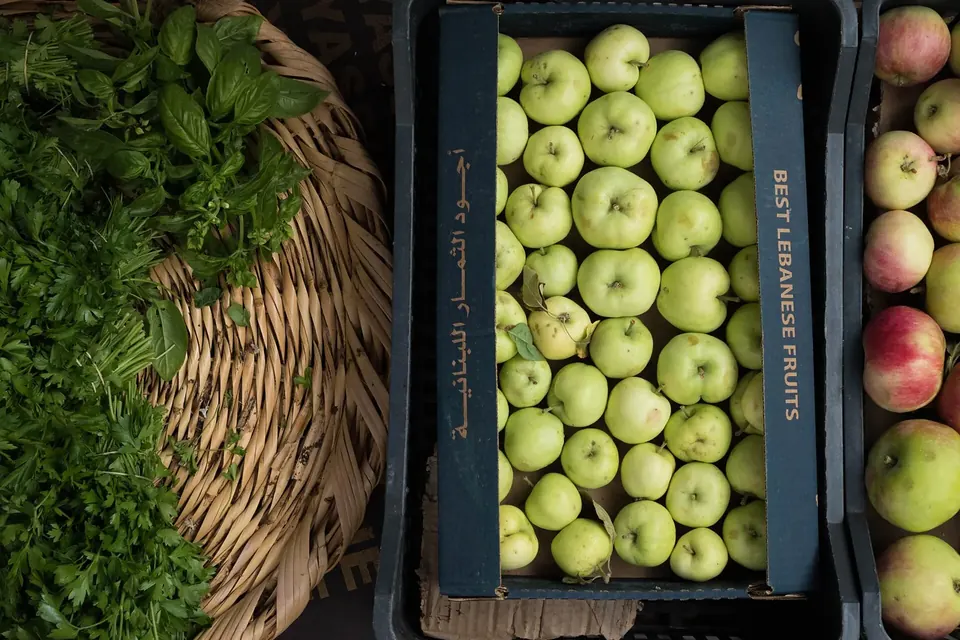
Eating more fruit and vegetables is one of the few pieces of nutrition advice that nobody seriously disputes. The World Health Organization recommends at least 400 g a day for everyone over 10, and the NHS turns that into a simple message: at least five 80 g portions of a variety of fruit and vegetables every day. This guide explains what counts, what does not, and how to fit more in.
Why fruit and vegetables matter
Fruit and vegetables bring vitamins, minerals and fibre, and they are low in energy for their bulk. The WHO's healthy diet guidance notes that many people do not eat enough of them or enough fibre, while eating more highly processed foods high in fats, free sugars and salt. Diets rich in vegetables, fruit, whole grains and pulses are part of the WHO's advice for protecting against noncommunicable diseases such as heart disease, stroke, diabetes and some cancers.
In the Eatwell Guide, the UK's picture of a balanced diet, fruit and vegetables should make up just over a third of everything we eat. Our overview of the balanced plate explains the other groups.
What counts as a portion
The NHS defines a portion for adults as 80 g of fresh, canned or frozen fruit or vegetables. In everyday terms that is roughly:
- one medium fruit such as an apple, a banana, a pear or an orange;
- two small fruits such as plums, satsumas or kiwi fruit;
- a 5 cm slice of melon, a large slice of pineapple or half a grapefruit;
- about three heaped tablespoons of cooked vegetables such as carrots, peas or sweetcorn;
- salad vegetables such as one medium tomato, seven cherry tomatoes or a 5 cm piece of cucumber.
These examples come from the NHS portion guide and are approximate; the 80 g figure is what matters. Dried fruit is concentrated, so 30 g counts as one portion, roughly a heaped tablespoon of raisins. The NHS suggests eating dried fruit at mealtimes rather than as a snack, to reduce the risk of tooth decay.
Fruit and vegetables do not have to be fresh, or eaten on their own. Frozen and tinned versions count (choose those in natural juice or water, without added sugar or salt), and so do vegetables cooked in soups, stews and pasta sauces.
The exceptions
Juice and smoothies
Crushing fruit releases its sugars, which can damage teeth, and juice lacks much of the fibre of whole fruit. The NHS therefore counts 150 ml of fruit juice, vegetable juice or smoothie as one portion at most, and advises limiting the combined total to 150 ml a day, ideally with a meal. The WHO also notes that most fruit juices, even without added sugars, contain significant amounts of free sugars.
Beans and pulses
Lentils, chickpeas and beans such as kidney, soy or butter beans count as one portion (80 g) a day, no matter how many you eat, because they contain fewer of the nutrients found in other fruits and vegetables. They are still valuable for fibre and protein, as explained in fibre and whole grains. Green beans are vegetables and count normally.
Potatoes and other starchy roots
Potatoes do not count towards 5 A Day because they are usually eaten in place of other starchy foods such as bread, pasta or rice. The same goes for yams, cassava and plantain. Sweet potatoes, parsnips, swedes and turnips do count, because they are usually eaten in addition to the starchy part of a meal. Potatoes are still a good source of energy, fibre, B vitamins and potassium, especially with the skins on.
Ready meals and processed foods
Fruit and vegetables in ready meals, shop-bought sauces and soups count, but the NHS points out that some of these products are also high in salt, sugar or fat. The label tells you which.
5 A Day and 400 g: the same idea
The WHO recommends at least 400 g of fruit and vegetables a day for everyone over 10, with at least 250 g for children aged 2 to 5 and 350 g for those aged 6 to 9. Five portions of 80 g add up to exactly 400 g, so the NHS message is a practical way of meeting the WHO figure. "At least" is the key phrase in both: five is a minimum, not a ceiling. Other countries express the same advice in cups or servings; the principle of more, and more varied, fruit and vegetables is shared.
Easy ways to eat more
- Add one to every meal. Fruit on breakfast cereal or porridge, a side salad or vegetable soup at lunch, two vegetables with dinner.
- Use the freezer and the cupboard. Frozen peas, spinach, berries and mixed vegetables, and tinned tomatoes, sweetcorn and fruit in juice, are often cheaper than fresh, keep for months and reduce waste.
- Bulk out familiar dishes. Grated carrot or courgette in a bolognese, extra onions and peppers in a curry, lentils in a stew.
- Keep fruit in sight. A bowl on the table or fruit in a bag for work makes it the easy snack.
- Vary colours. Different colours tend to bring different nutrients, and variety is part of the WHO's principle of diversity.
- Shop the season. Seasonal produce is often cheaper and tastier.
A note for families
Children need smaller portions; a rough guide is the amount that fits in the palm of their hand. Children also learn by example, so eating fruit and vegetables together, offering new ones repeatedly without pressure and involving children in shopping and cooking all help more than rules. The same principles apply to everyone: aim for variety, keep juice small, and treat the target as something to build towards, not a test. For the sugars side of drinks and snacks, see free sugars and salt.
Sources
- NHS, "5 A Day: what counts?".
- World Health Organization, "Healthy diet" fact sheet: 400 g a day for everyone over 10, amounts for younger children, juice and free sugars.
- NHS, "5 A Day portion sizes" (nhs.uk): household measures for one portion.
 Nutrition basics
A balanced plate
The five food groups of the Eatwell Guide, the WHO's four principles of a healthy diet, and how to turn them into ordinary meals.
 Nutrition basics
Fibre and whole grains
Most adults eat about 20 g of fibre a day against a recommended 30 g. Why it matters, where it comes from and how to add more gradually.
 Nutrition basics
Free sugars and salt
The daily limits for free sugars and salt, what counts, where most of it comes from and how to read a label.