How Much Protein Do I Need? Daily Amounts by Body Weight, Food Sources and Who Needs More
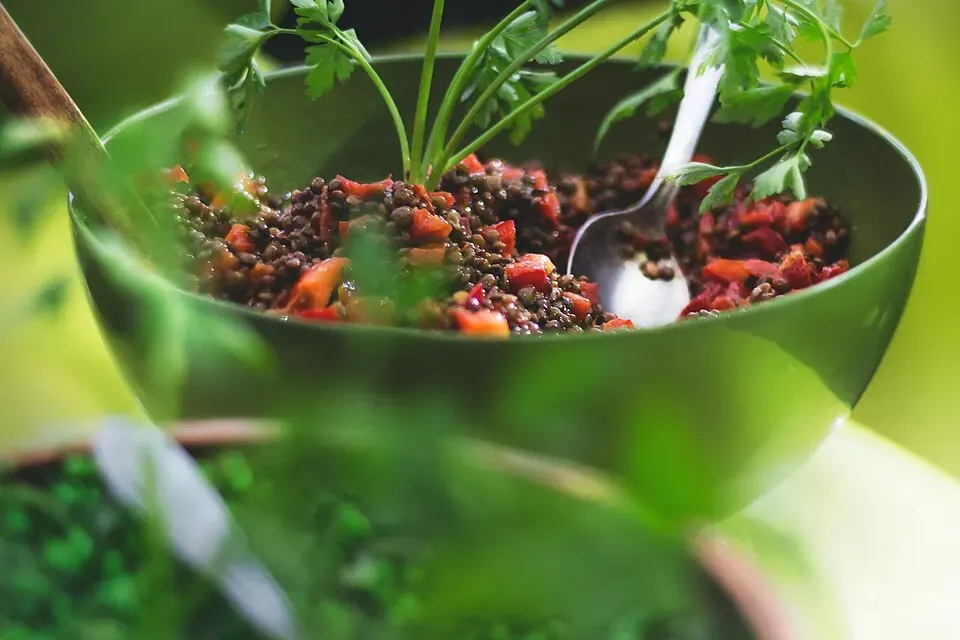
Protein has become a selling point: bars, yoghurts, cereals and even crisps now carry "high protein" on the front of the pack. Yet the official figures for how much protein adults need are modest, and surveys show that most people in countries like the UK already eat more than that. This guide sets out the reference values used in the UK, the EU and the US, turns them into grams for your body weight, and shows where protein comes from in an ordinary diet.
The official figures
Protein requirements are expressed per kilogram of body weight, because a larger body has more tissue to maintain. Three widely used references set the daily amount for healthy adults:
| Source | Daily amount for adults | What it is |
|---|---|---|
| UK Reference Nutrient Intake | 0.75 g per kg | Enough for almost everyone in the population |
| EFSA Population Reference Intake (2012) | 0.83 g per kg | Same idea; also applies to older adults |
| US Recommended Dietary Allowance | 0.8 g per kg | Same idea, set by the US National Academies |
These are not minimums that most people scrape past. They are set high enough to cover the needs of nearly all healthy adults, so many people need a little less. The differences between them come from the way each committee analysed the same body of nitrogen-balance studies, not from any disagreement about what people should eat.
On food labels in the UK and the EU, protein is compared with a single reference intake of 50 g a day, the figure used for an average adult alongside 2,000 kcal. If a portion says "20% RI" for protein, it provides about 10 g. Our guide to reading food labels explains how reference intakes work for the other nutrients.
Your daily amount by body weight
Multiply your weight in kilograms by 0.75 (UK) or 0.83 (EFSA). Rounded results:
| Body weight | At 0.75 g/kg (UK) | At 0.83 g/kg (EFSA) |
|---|---|---|
| 50 kg | 38 g | 42 g |
| 60 kg | 45 g | 50 g |
| 70 kg | 53 g | 58 g |
| 80 kg | 60 g | 66 g |
| 90 kg | 68 g | 75 g |
The reference values were worked out for adults within a healthy weight range. If your weight is well above that range, multiplying your full weight gives a figure higher than you are likely to need, because fat tissue needs far less protein to maintain than muscle. Dietitians sometimes base the calculation on a weight within the healthy range for your height instead; our table of healthy weight ranges by height shows what that range is.
Where protein comes from
Protein is found in a much wider range of foods than meat. The British Nutrition Foundation lists these values per 100 g, taken from the UK's official food composition tables (McCance and Widdowson's The Composition of Foods, 2015):
| Food | Protein per 100 g |
|---|---|
| Chicken breast, grilled, without skin | 32.0 g |
| Cheddar cheese | 25.4 g |
| Salmon, grilled | 24.6 g |
| Almonds | 21.1 g |
| Chicken egg, whole, boiled | 14.1 g |
| Cottage cheese | 9.4 g |
| Tofu, steamed | 8.1 g |
| Brown bread | 7.9 g |
| Red lentils, boiled | 7.6 g |
| Chickpeas, canned | 7.2 g |
| Baked beans | 5.0 g |
| Semi-skimmed milk | 3.5 g |
Portions change the picture. Few people eat 100 g of almonds or cheddar at a sitting, while a bowl of lentil soup or a glass of milk easily exceeds 100 g. Bread, which nobody thinks of as a protein food, contributes a steady amount over a day simply because it is eaten often. The BNF notes that meat and meat products, cereals and cereal products, and milk and dairy are the top contributors to protein intakes in the UK.
Animal foods provide all the essential amino acids in proportions close to what the body needs. Most plant foods are lower in one or another, but eating a mix of them over the day (pulses, grains, nuts, seeds, soya) covers the gap; they do not need to be combined at the same meal. The BNF reports that average intakes in vegetarians and vegans in the UK are also above the reference value.
Choosing your protein foods
Because most people get enough protein, the useful question is less "how much" than "from what". The Eatwell Guide groups beans, pulses, fish, eggs and meat together, and the advice attached to that group is consistent:
- Eat more beans, lentils and peas. They are cheap, low in fat, and among the best sources of fibre. A tin of chickpeas or a handful of lentils added to a stew stretches a smaller amount of meat.
- Two portions of fish a week, one of them oily, such as salmon, sardines or mackerel.
- Limit red and processed meat. The NHS advises people who eat more than 90 g of red and processed meat a day (cooked weight) to cut down to 70 g, because of the link with bowel cancer.
- Choose lower-fat dairy and lean cuts of meat, and remove visible fat and poultry skin.
The balanced plate page shows how this group fits with the rest of a day's food: protein foods take up a smaller share of the plate than vegetables, fruit and starchy foods.
Who may need more
- Pregnancy and breastfeeding. EFSA adds 1 g, 9 g and 28 g a day in the first, second and third trimesters, and 19 g a day during the first six months of breastfeeding.
- Older adults. EFSA kept the same 0.83 g/kg for older people, but some expert groups, such as the PROT-AGE study group in 2013, have argued for 1.0 to 1.2 g/kg to help preserve muscle. That is a recommendation from researchers, not an official reference value. What is agreed is that a poor appetite, illness or living alone can push intakes down, and that regular muscle-strengthening activity helps keep muscle with age.
- Athletes in heavy training. The BNF notes that people who do some physical activity, such as running or an exercise class, are unlikely to need extra protein; for people training at a high level, protein soon after a session can help muscles rebuild.
- Recovery from illness or surgery, where needs are set individually by the care team.
Protein and weight
Protein provides energy like carbohydrate: EU labelling counts 4 kcal per gram for both, against 9 kcal for fat. A high-protein snack is therefore not a free one, and "protein" bars are often high in sugar or fat as well. There is some evidence that meals containing protein help people feel full, which is one reason guidance on losing weight suggests including a protein food at each meal rather than relying on refined snacks. Products with added protein are not needed for that: an egg, a pot of plain yoghurt, beans on toast or a portion of fish does the same job.
How much protein is too much? EFSA considered that intakes up to about twice its reference value are safe for healthy adults, and found insufficient data to set an upper limit. Very high intakes from supplements bring no proven benefit for most people.
This page is general information from public health sources, not personal medical advice. If you have kidney disease, have been given a special diet, or are losing weight without trying, ask your doctor or a registered dietitian how much protein is right for you.
Sources
- British Nutrition Foundation, "Protein" (reference intakes, UK average intakes, protein content of foods from McCance and Widdowson's The Composition of Foods, 2015), consulted November 2026.
- EFSA Panel on Dietetic Products, Nutrition and Allergies, "Scientific Opinion on Dietary Reference Values for protein", EFSA Journal 2012;10(2):2557.
- NHS, "Meat in your diet"; Institute of Medicine (US National Academies), Dietary Reference Intakes for Energy, Carbohydrate, Fiber, Fat, Fatty Acids, Cholesterol, Protein, and Amino Acids, 2005; Bauer J. et al., "Evidence-based recommendations for optimal dietary protein intake in older people: a position paper from the PROT-AGE Study Group", JAMDA, 2013.
 Nutrition basics
A balanced plate
The five food groups of the Eatwell Guide, the WHO's four principles of a healthy diet, and how to turn them into ordinary meals.
 Nutrition basics
Reading food labels
Per 100 g versus per portion, the traffic-light cut-offs, reference intakes and what a low fat or high fibre claim really means.
 Physical activity
Strength activity for beginners
Strength exercises on two days a week, as the guidelines recommend: what counts, simple moves to start at home, and how to progress safely.