How Much Water Should I Drink? Daily Fluid Needs, What Counts and Which Drinks to Limit
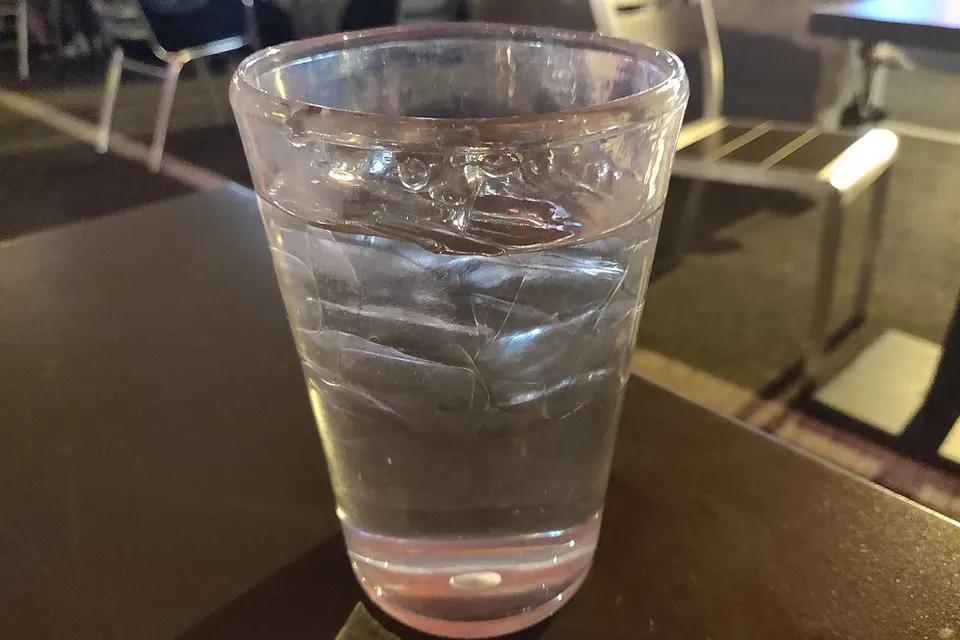
"Drink eight glasses of water a day" is one of the best-known pieces of health advice, and one of the most misunderstood. Official bodies do give daily figures, but they cover all drinks rather than water alone, and some of them include the water in food. This guide sets out what the NHS, the European Food Safety Authority (EFSA) and the US National Academies actually recommend, why their numbers look so different, and which drinks are worth choosing or limiting if you are watching your weight.
The official figures, side by side
Three widely used references give daily figures for healthy adults living in a temperate climate and doing moderate activity:
| Source | Women | Men | What the figure covers |
|---|---|---|---|
| NHS Eatwell Guide (UK) | 6 to 8 cups or glasses a day | Drinks only | |
| EFSA adequate intake (EU, 2010) | 2.0 litres a day | 2.5 litres a day | Total water: drinks plus water in food |
| US National Academies adequate intake (2004) | 2.7 litres a day | 3.7 litres a day | Total water: drinks plus water in food |
The figures are less far apart than they look. EFSA assumes that around 20% of total water comes from food and 80% from drinks, which turns its adequate intakes into roughly 1.6 litres of drinks a day for women and 2.0 litres for men. A typical glass or mug holds 200 to 250 ml, so 6 to 8 of them comes to between 1.2 and 2 litres: the same ballpark. The US figures are higher because they were set from the median intakes observed in American surveys rather than from a calculated requirement; the National Academies estimated that about 80% of that total also comes from drinks.
None of these is a strict minimum. They are "adequate intakes", meaning amounts that healthy people typically drink without signs of dehydration. Individual needs vary with body size, temperature, activity and diet.
What counts towards your fluid
All drinks provide water, and so does food. The NHS lists water, lower-fat milk and sugar-free drinks, including tea and coffee, as counting towards the 6 to 8 glasses. Some points that often cause confusion:
- Tea and coffee count. Caffeine has a mild diuretic effect, but in normal amounts the drink still adds to your fluid balance. EFSA considers up to 400 mg of caffeine a day safe for most adults, and up to 200 mg a day in pregnancy, the same 200 mg limit the NHS gives for pregnant women.
- Milk is a good choice because it brings protein, calcium and other nutrients. Lower-fat versions supply them with less saturated fat.
- Food matters. Fruit, vegetables, soups, yoghurt and cooked grains such as rice and pasta all contain a lot of water. A diet rich in fruit and vegetables, as recommended in the Eatwell Guide and WHO healthy diet advice, makes a real contribution.
- Alcohol is not a good way to hydrate. It is not counted by the NHS among the recommended drinks, and the UK low-risk guideline is to drink no more than 14 units a week, spread over several days.
How to tell if you are drinking enough
For most healthy adults, thirst and the colour of your urine are reliable guides. The NHS describes the signs of dehydration as feeling thirsty, dark yellow and strong-smelling urine, peeing little and fewer than four times a day, feeling dizzy or lightheaded, feeling tired, and a dry mouth, lips and eyes. Pale straw-coloured urine generally means you are well hydrated.
You need more fluid than usual when it is hot, when you exercise and sweat, when you have a fever, diarrhoea or vomiting, and when you are pregnant or breastfeeding. EFSA adds 300 ml a day for pregnancy and 600 to 700 ml a day for breastfeeding to the adequate intake for women. Older adults deserve particular attention because the sense of thirst tends to weaken with age, so a regular drink with each meal and between meals is a sensible habit rather than waiting to feel thirsty. If you are taking part in long or hot exercise sessions, our page on the physical activity guidelines covers how much activity adults need; plan drinks before and after, not only during.
Drinking far more than you need is rarely a problem for healthy people, because the kidneys get rid of the excess. It can become dangerous in specific situations, such as endurance events where people drink large volumes of plain water for hours, which can dilute the sodium in the blood. People with heart failure or kidney disease are sometimes told to limit fluids; if that applies to you, follow your doctor's advice rather than general figures.
Drinks and weight
What you drink can matter for weight as much as how much. Drinks with added sugar provide energy but tend not to fill you up, so the calories are easy to add on top of what you eat rather than instead of it. Free sugars include the sugars added to drinks and the sugars naturally present in fruit juice, honey and syrups. The UK advice is that free sugars should make up no more than 5% of daily energy, which works out at no more than 30 g a day for adults, and the WHO recommends less than 10%, ideally less than 5%. A single can of a standard, non-diet fizzy drink can contain about as much free sugar as that whole daily limit. Our guide to free sugars and salt shows how these limits translate into everyday food.
Practical swaps that keep fluid intake up without the sugar:
- Make water the default. Tap water is safe and cheap in the UK. A slice of lemon, lime or cucumber, or a splash of no-added-sugar squash, adds flavour.
- Limit fruit juice and smoothies to 150 ml a day in total. They count as one of your 5 A Day only once, however much you drink, and they are a source of free sugars.
- Check labels on flavoured drinks. "No added sugar" and "diet" drinks are lower in sugar, but flavoured waters, iced teas, coffee-shop drinks and energy drinks can be high. The per 100 ml column makes them easy to compare; see how to read food labels.
- Watch the extras in hot drinks. Syrups, whipped cream and large milky coffees can turn a drink into a snack.
A simple daily pattern
If counting litres feels like too much, a routine does the job. A glass of water or a hot drink when you get up, a drink with each meal, one mid-morning and one mid-afternoon, and an extra glass when you exercise or the weather is hot comes to roughly 6 to 8 glasses without any tracking. Keep a glass or bottle within reach at your desk; seeing it is often enough of a reminder. And let thirst and the colour of your urine tell you if you need more.
This page is general information from public health sources, not personal medical advice. If you have kidney, heart or liver disease, take diuretics or have been told to limit fluids, follow the advice of your doctor or care team.
Sources
- NHS, "Water, drinks and your health"; "Dehydration"; "The Eatwell Guide"; "Sugar: the facts".
- EFSA Panel on Dietetic Products, Nutrition and Allergies, "Scientific Opinion on Dietary Reference Values for water", EFSA Journal 2010;8(3):1459; "Scientific Opinion on the safety of caffeine", 2015.
- Institute of Medicine (US National Academies), Dietary Reference Intakes for Water, Potassium, Sodium, Chloride, and Sulfate, 2004.
 Nutrition basics
Free sugars and salt
The daily limits for free sugars and salt, what counts, where most of it comes from and how to read a label.
 Nutrition basics
A balanced plate
The five food groups of the Eatwell Guide, the WHO's four principles of a healthy diet, and how to turn them into ordinary meals.
 Nutrition basics
Reading food labels
Per 100 g versus per portion, the traffic-light cut-offs, reference intakes and what a low fat or high fibre claim really means.